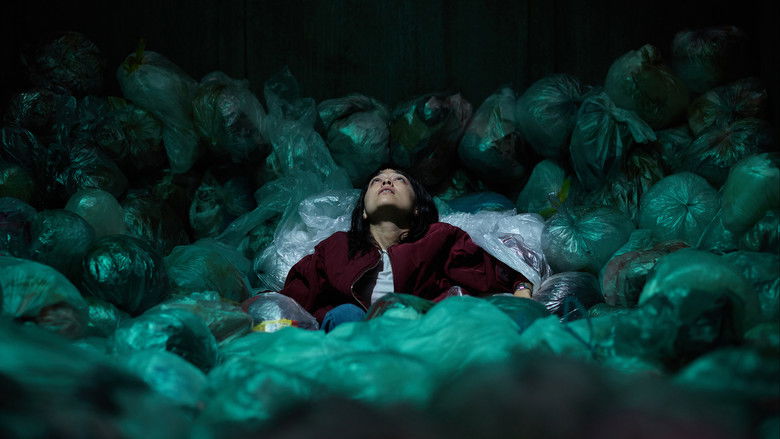
After succumbing to an obscure weight-loss craze involving the eating of human ashes, lovelorn medical student Hana finds herself haunted by the ghost of the person she's eating.
"Saccharine (2026)" isn't your typical jump-scare horror; it's a meticulously crafted descent into psychological unease that lingers long after the credits. Director Natalie Erika James, celebrated for her masterful handling of atmospheric dread in *Relic*, once again carves out a uniquely disturbing niche. Here, the horror isn't just externalized; it's ingested, becoming an insidious, internal rot. The film boasts a rare, almost clinical detachment, allowing the audience to feel the slow creep of revulsion and the harrowing weight of a very specific kind of self-destruction. Expect a mood piece prioritizing unsettling visuals and a deeply uncomfortable premise over cheap scares, cultivating a pervasive sense of wrongness both intellectual and visceral.
Midori Francis delivers a remarkably raw and empathetic performance as Hana, grounding an otherwise fantastical premise in palpable human vulnerability and desperation. Her portrayal of a young woman consumed by a hunger both physical and emotional is the film's beating heart, ensuring the audience feels every agonizing ripple of her spiraling predicament. James's direction is precise, using claustrophobic framing and a muted, sickly color palette to enhance the film's pervasive dread. The screenplay delves deeply into themes of grief, body image, and the terrifying consequences of emotional voids, exploring how easily a desperate individual can cross unimaginable lines in pursuit of an elusive sense of wholeness. The unsettling visual language is subtle yet profoundly disquieting, reflecting the insidious nature of her haunting.
"Saccharine" is essential viewing for audiences who crave horror that dares to be different, preferring a slow, creeping dread to sudden shocks. If you appreciate films that explore the psychological toll of extraordinary circumstances and aren't afraid to confront uncomfortable thematic territory – like the intersection of grief, body dysmorphia, and a very literal consumption of identity – this will resonate deeply. Fans of Natalie Erika James’s previous work, or those drawn to the more art-house, character-driven side of the genre, will find its unique premise and deliberate pacing captivating. Come prepared for a film prioritizing mood, internal struggle, and a profoundly unsettling atmosphere, rather than clear-cut villains or easy answers. It's a challenging, thought-provoking watch that will stick with you.
